
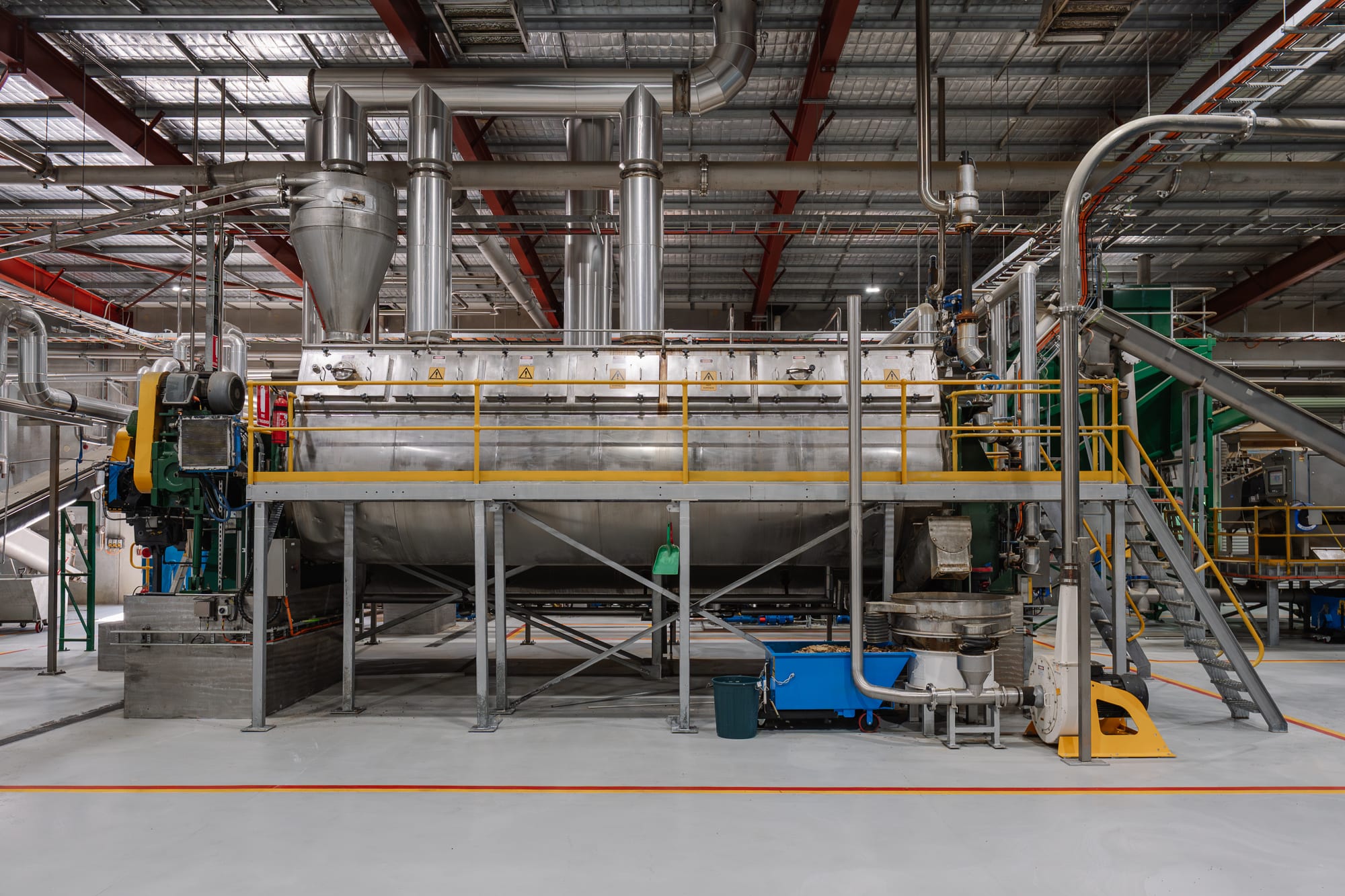
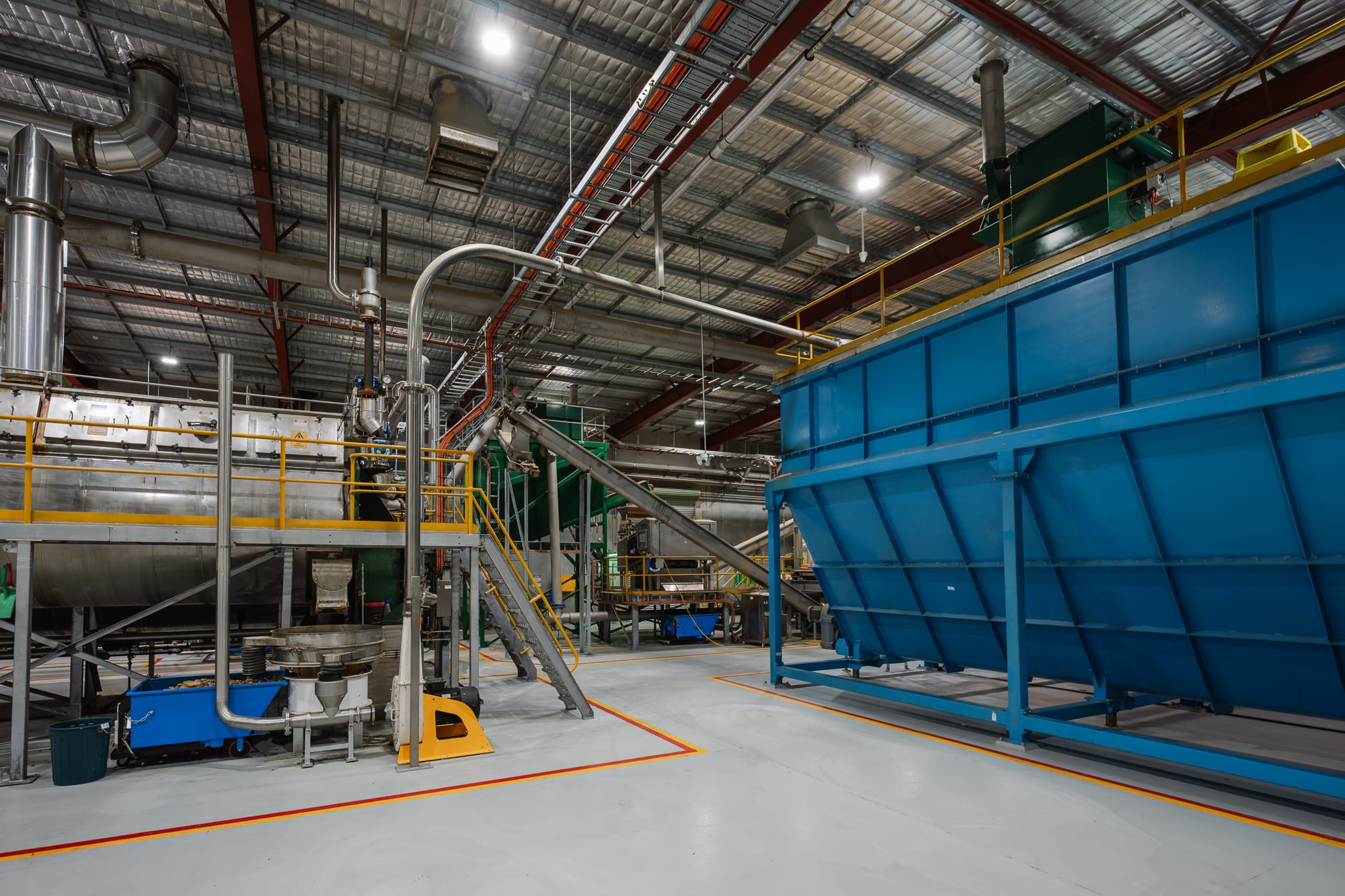
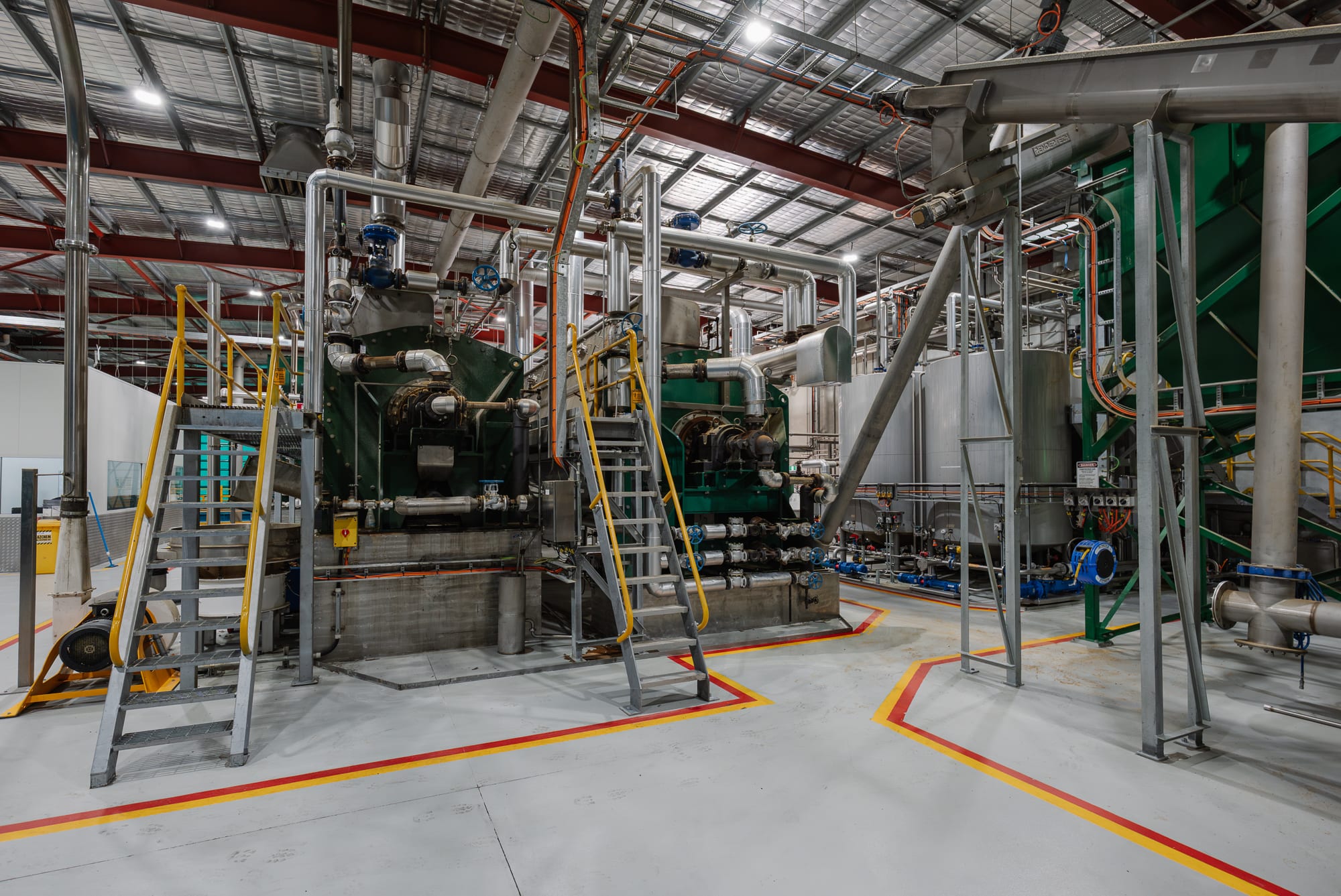
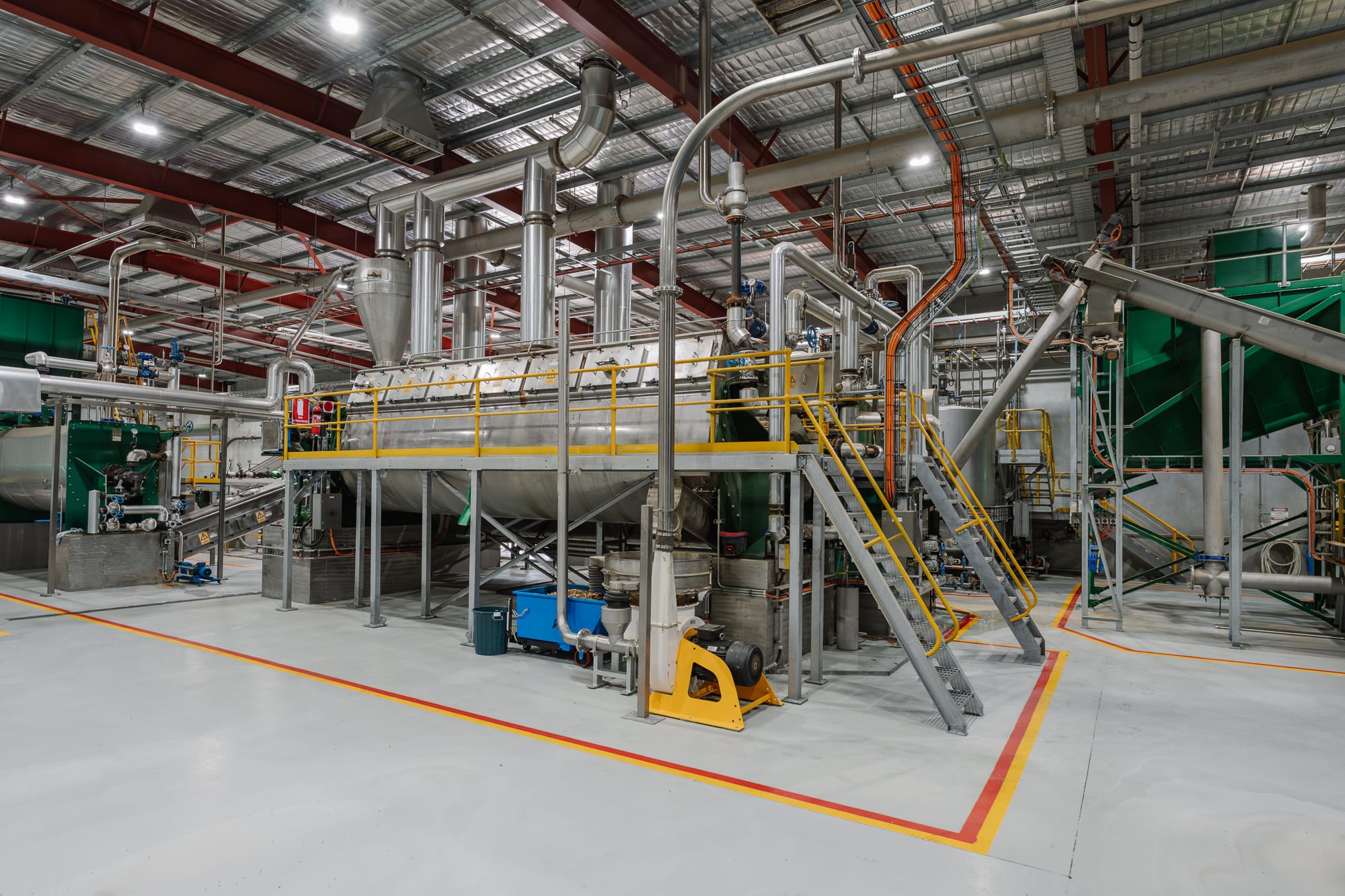
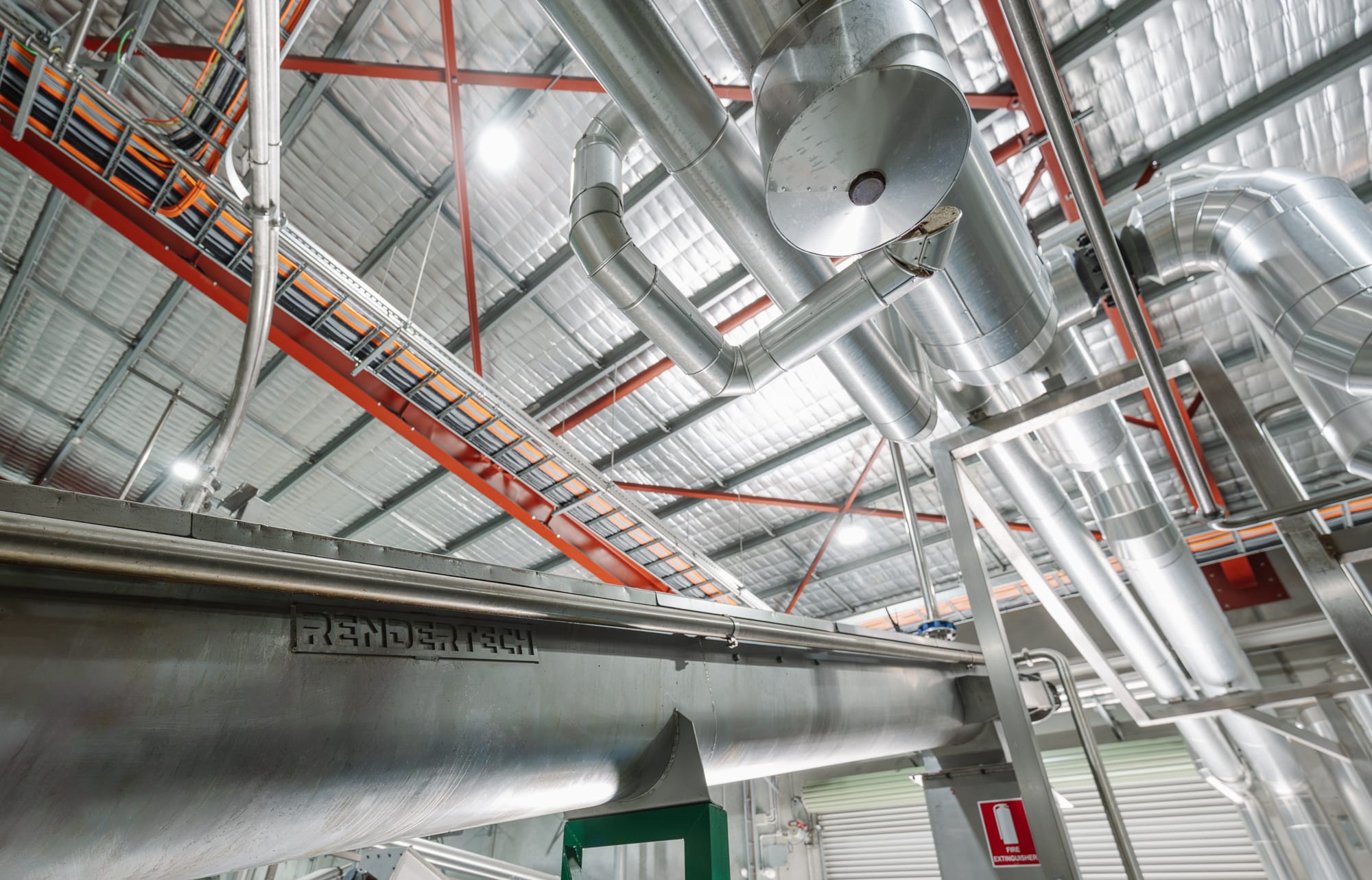
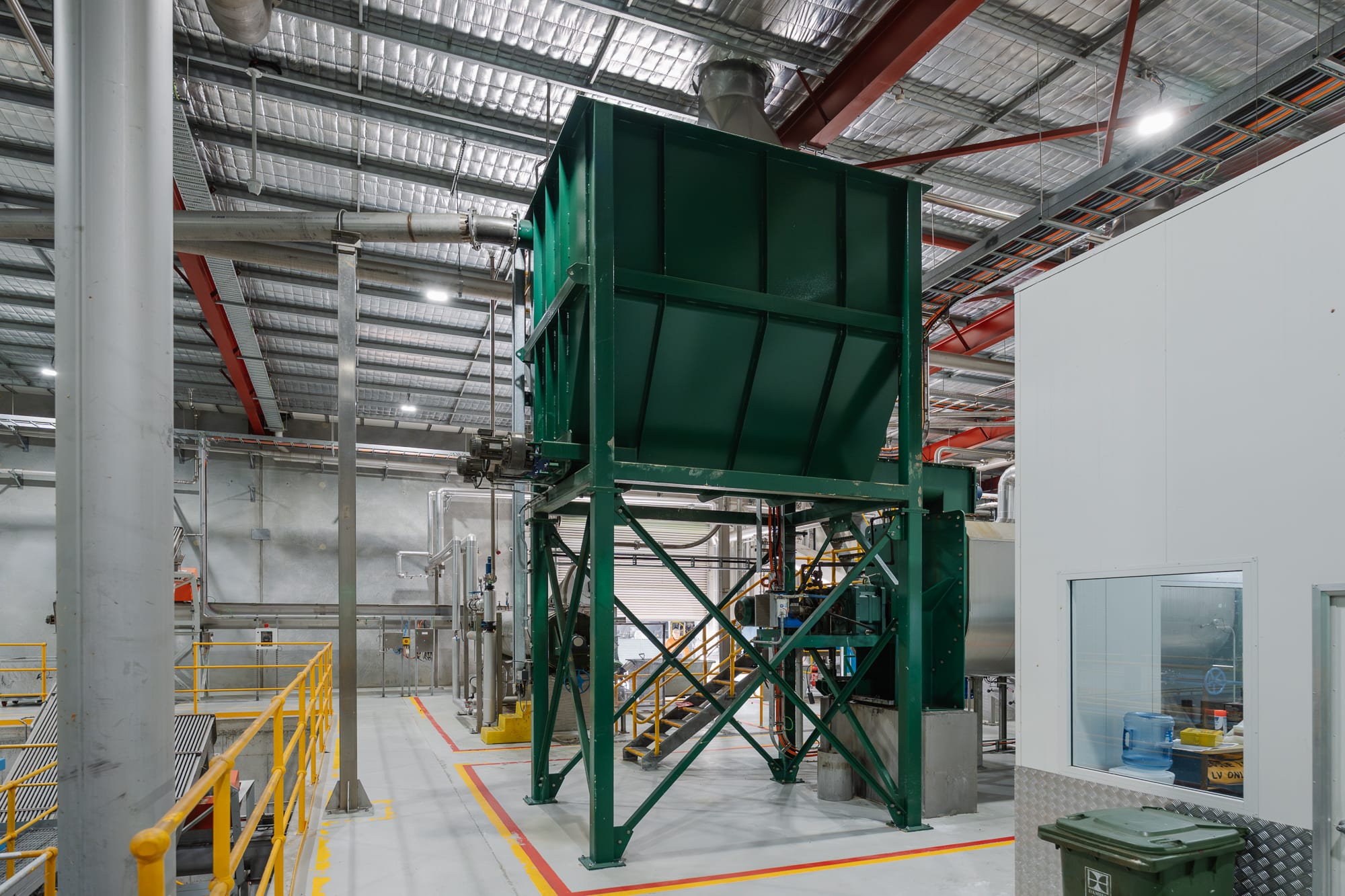
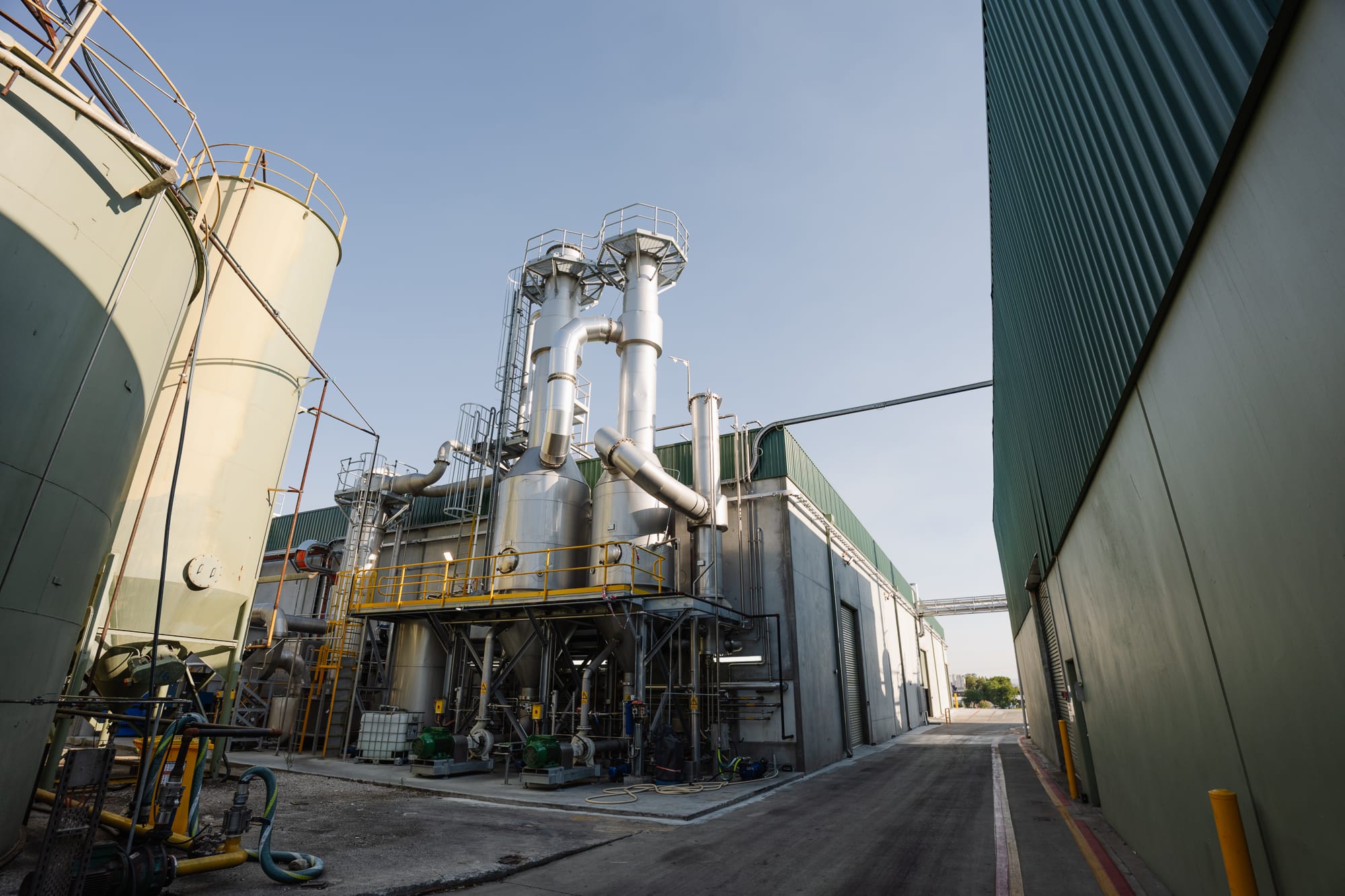
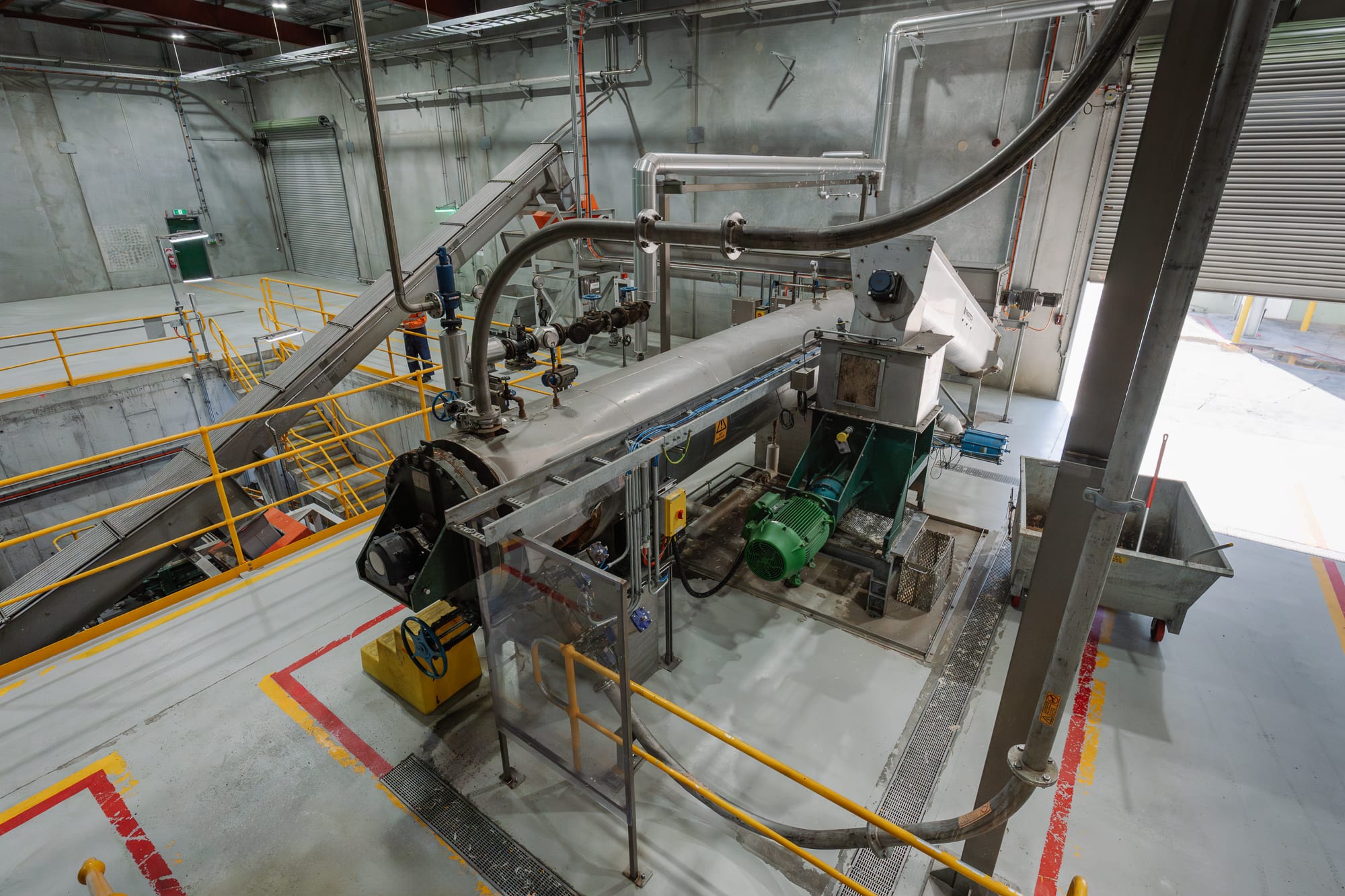
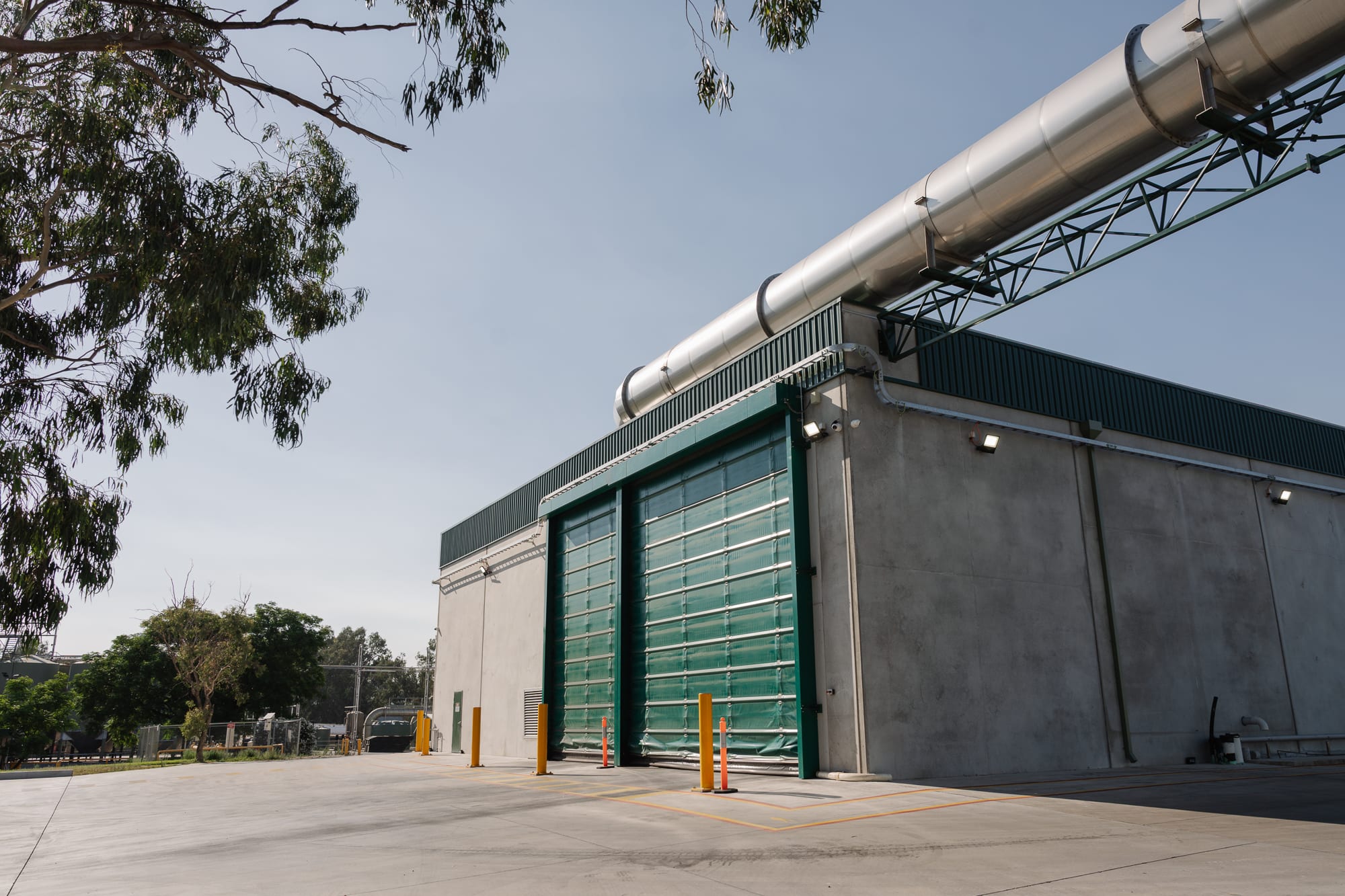
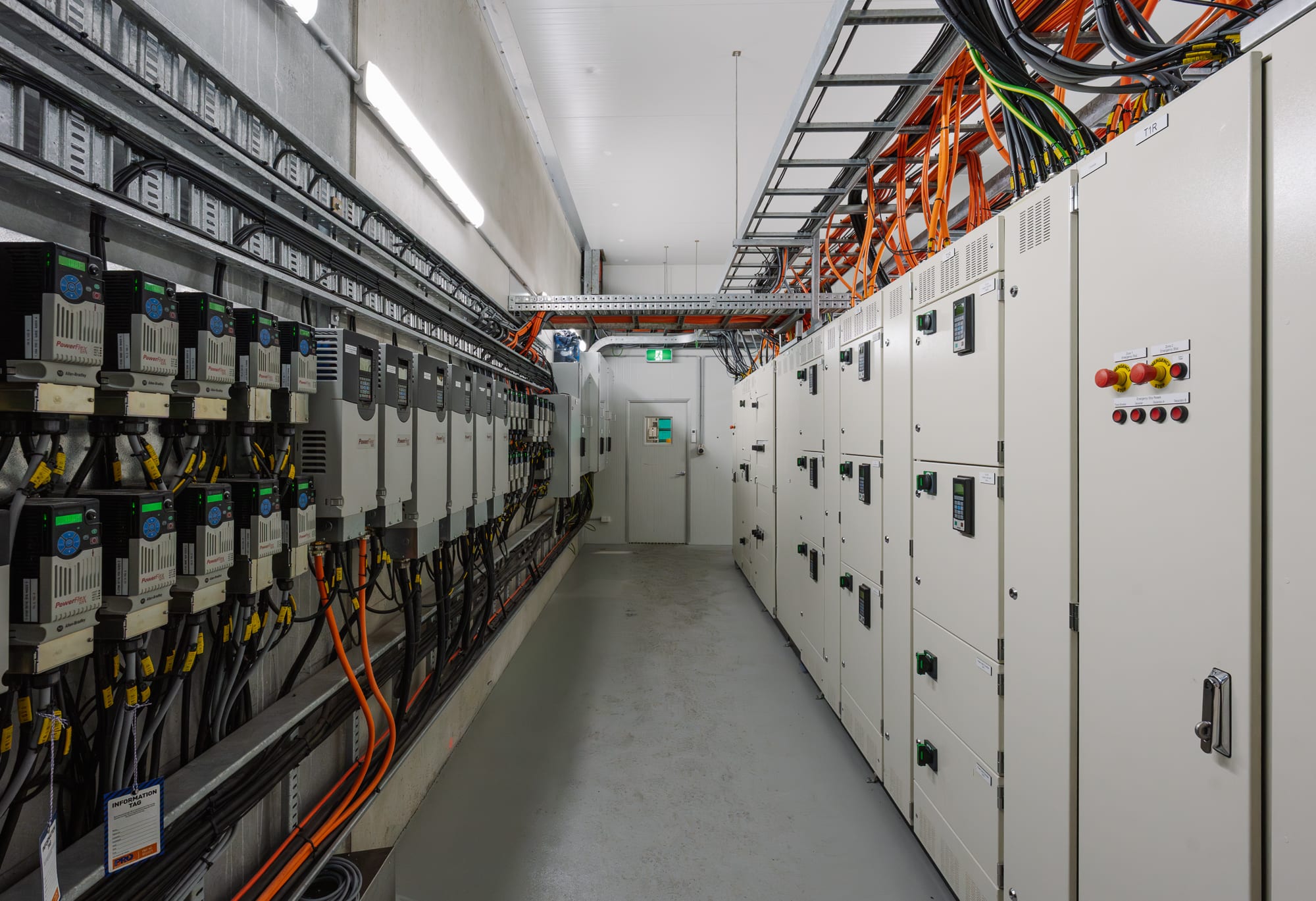
Low-temperature poultry press dewatering system (PDS)
Application: Poultry rendering
Location: Hazelmere, Western Australia
When Talloman needed to upgrade their existing poultry rendering facility in Western Australia, Rendertech was a trusted and experienced
provider to design and build the new plant. The result: increased capacity, greater efficiency, better environmental outcomes and improved
product quality, giving Talloman a strong foundation for future growth.
THE CHALLENGE
Talloman, a division of food and agribusiness Craig Mostyn Group, is the largest renderer in Western Australia, converting around 180,000 tonnes of animal byproducts each year into a range of ingredients for the livestock feed, pet feed, aqua feed, biofuel and fertiliser industries.
With demand for the facility’s poultry rendering facility having outgrown its capacity, Talloman needed to expand to continue supporting their customers and industries.
Rendertech has worked with Talloman for 20 years, including supplying them with two rendering lines and other support equipment and expertise. Our track record and industry-leading technology saw us chosen as Talloman’s design and build partner for the project.
OUR SOLUTION
Talloman’s previous experience with Rendertech gave them the confidence to switch from the existing high-temperature poultry processing system to our low-temperature press dewatering process. The new plant has a capacity of 14 tonnes per hour – a 65% increase which enabled Talloman to meet increasing demand. And it also delivered many other benefits.
Improved product quality
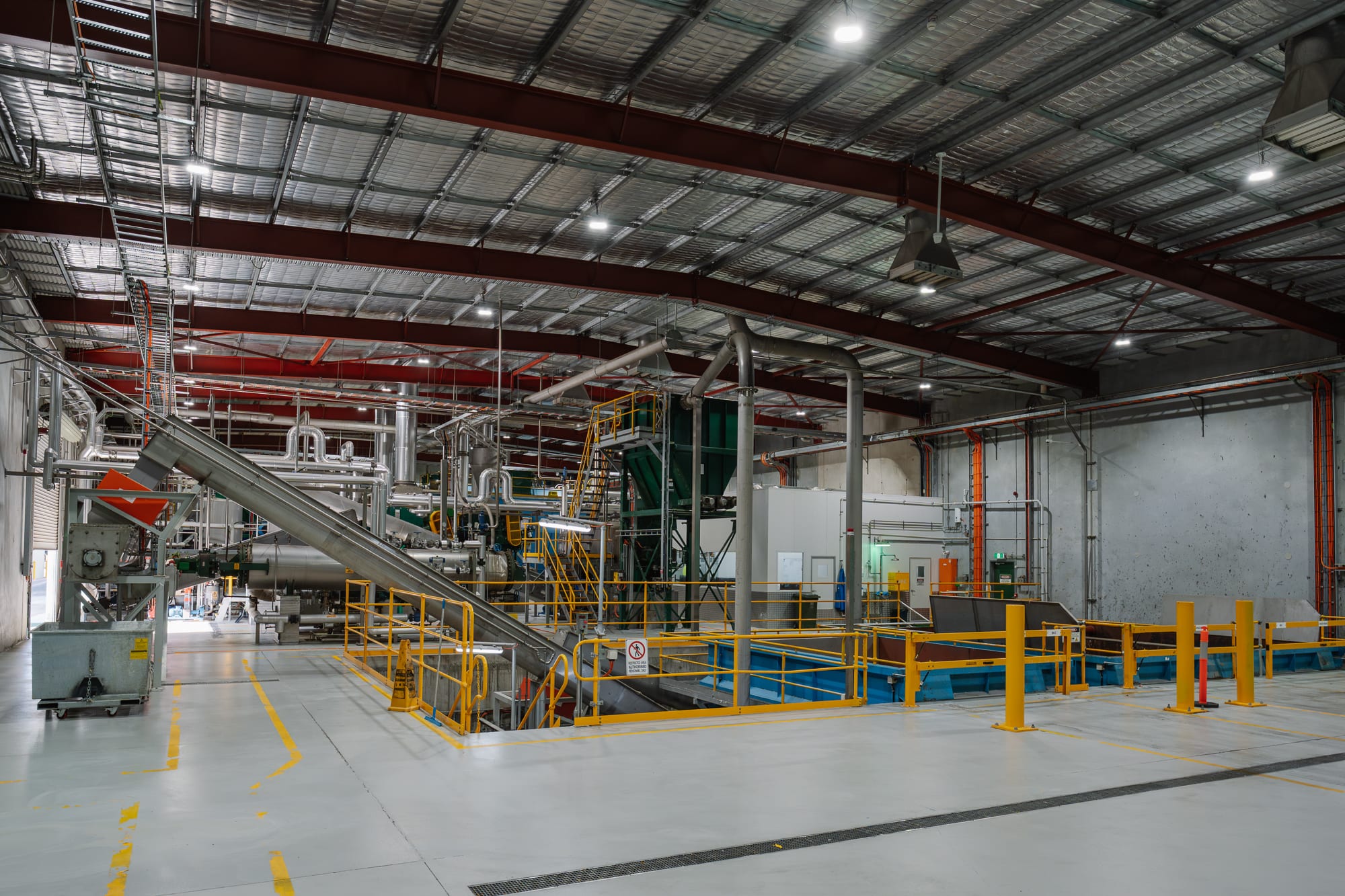
The design incorporates separate receival bins, allowing materials to be processed
independently. That gives Talloman the ability to add value by creating products for specific customer needs – for example, for
byproduct-free meal or low-ash products. Low-temperature processing also improves protein and amino acid recovery, which is especially
important for aquaculture and biofuel ingredients.
Reduced environmental impact
Low-temperature rendering uses 25% less gas than traditional high-temperature processes. It also helps with effluent by producing a much
lower-strength wastewater stream.
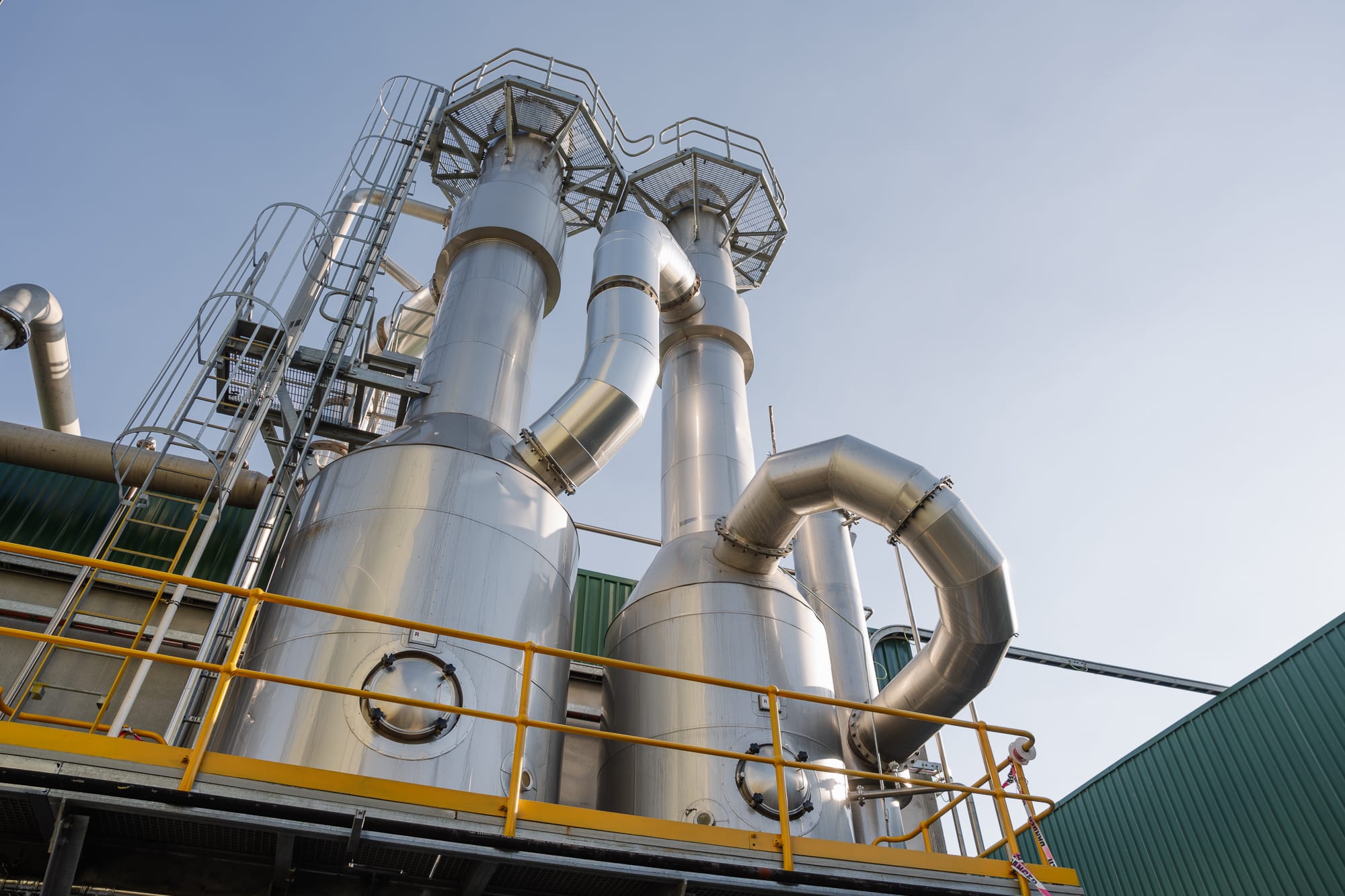
Odours are reduced by over 90% through collection at source and treatment in dedicated biofilter beds. An integrated receival and washdown area means raw materials can be unloaded inside the building, reducing the risk of fugitive emissions.
Improved working conditions and easier maintenance
An open design gives operators full end-to-end visibility of the process from the control room, making it much easier for operations and
maintenance staff to inspect, clean and maintain the plant.
A collaborative process
Designing and building a new rendering plant can be a complex business, involving multiple reviews and approvals from a range of
stakeholders. Our team worked alongside Talloman at all levels to ensure the needs of all stakeholders, from plant operators to the local
community, were met.
The result is a new plant that works for owners, staff and the community it operates within, while providing Talloman with a strong, sustainable platform for the future.
Equipment used
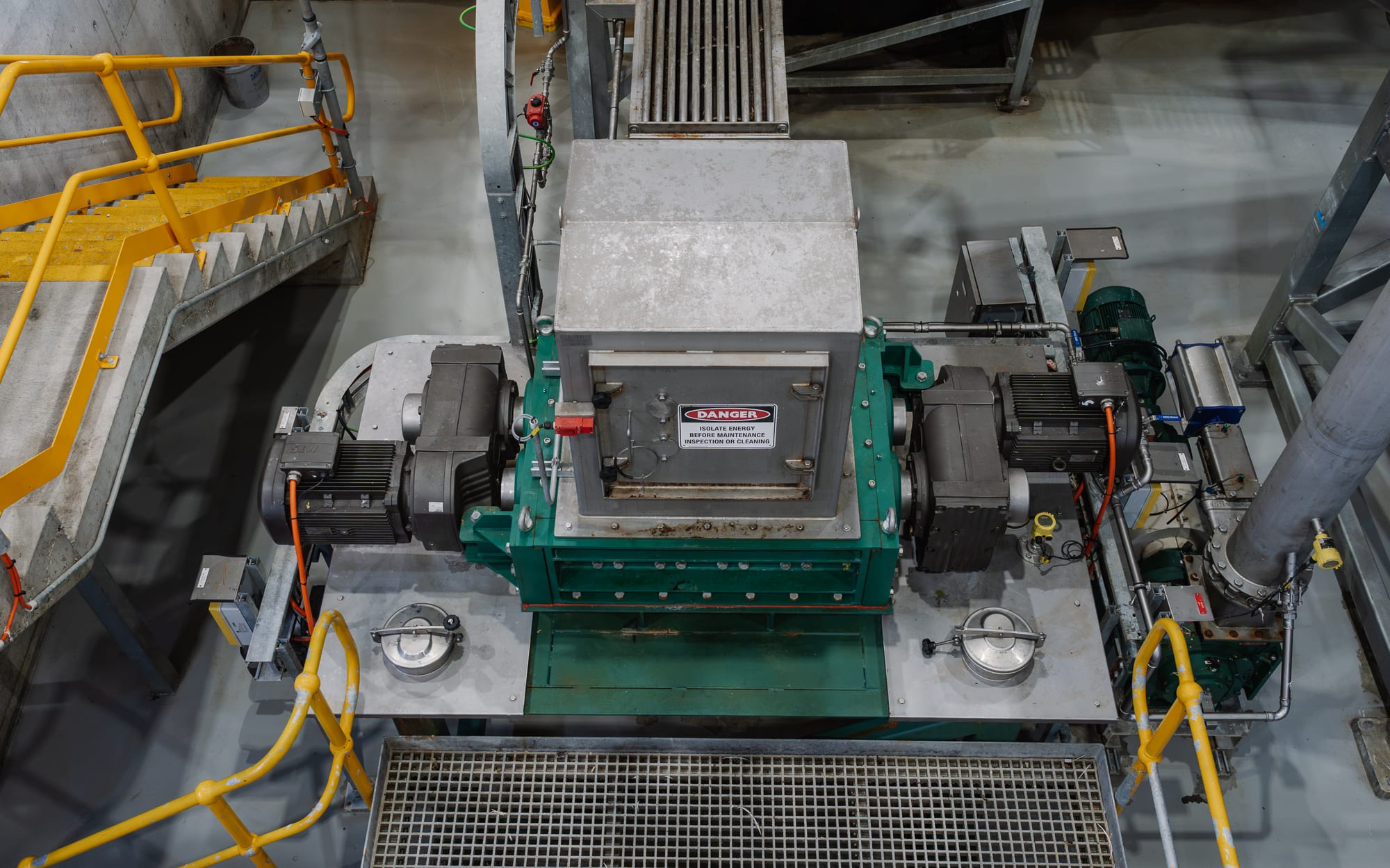
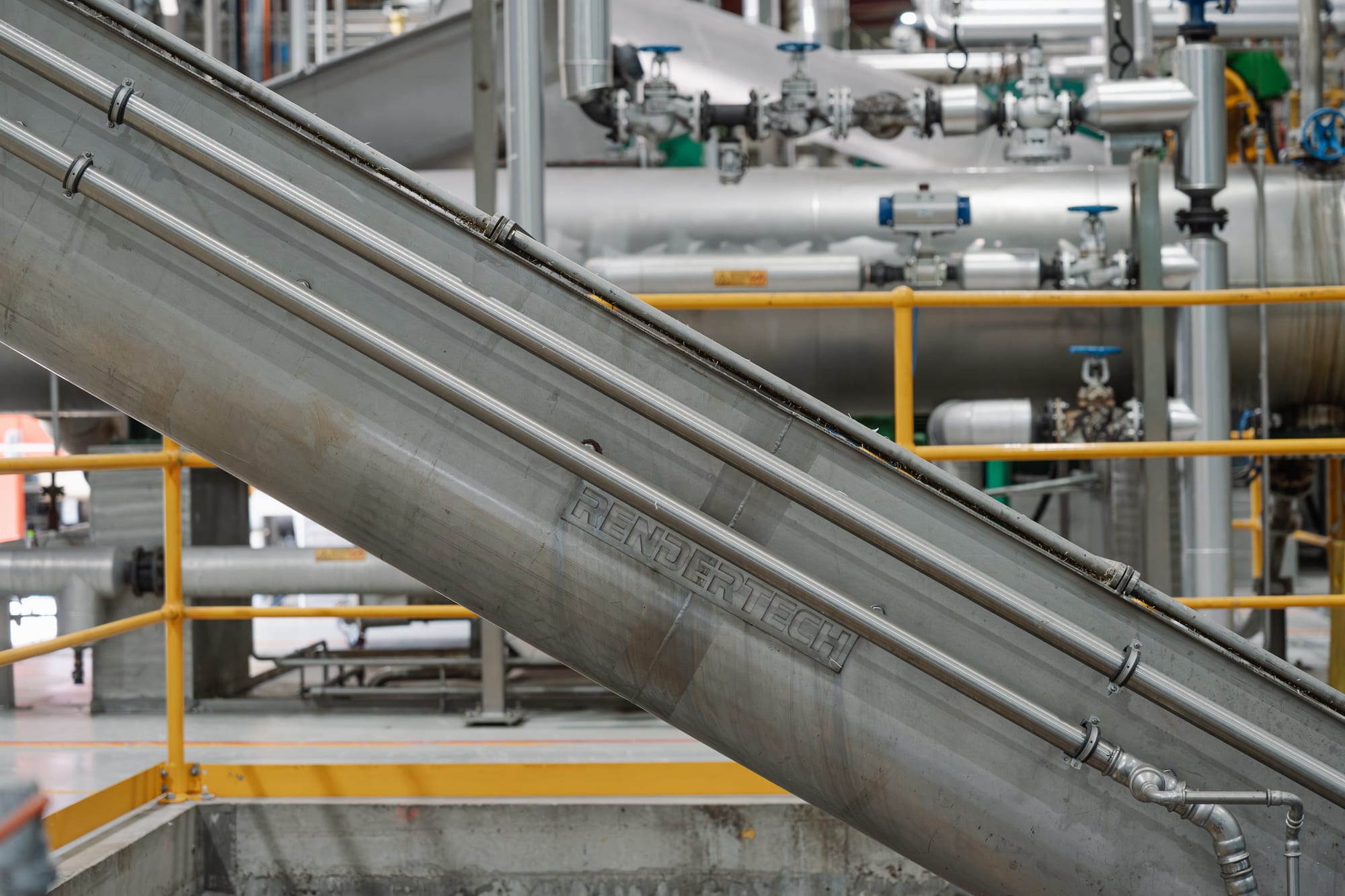
Rendertech poultry press dewatering system (PDS)
